
October 12, 2026
Grooming Aggressive Dogs: How to Stay Safe, Set Policies, and Protect Your Business
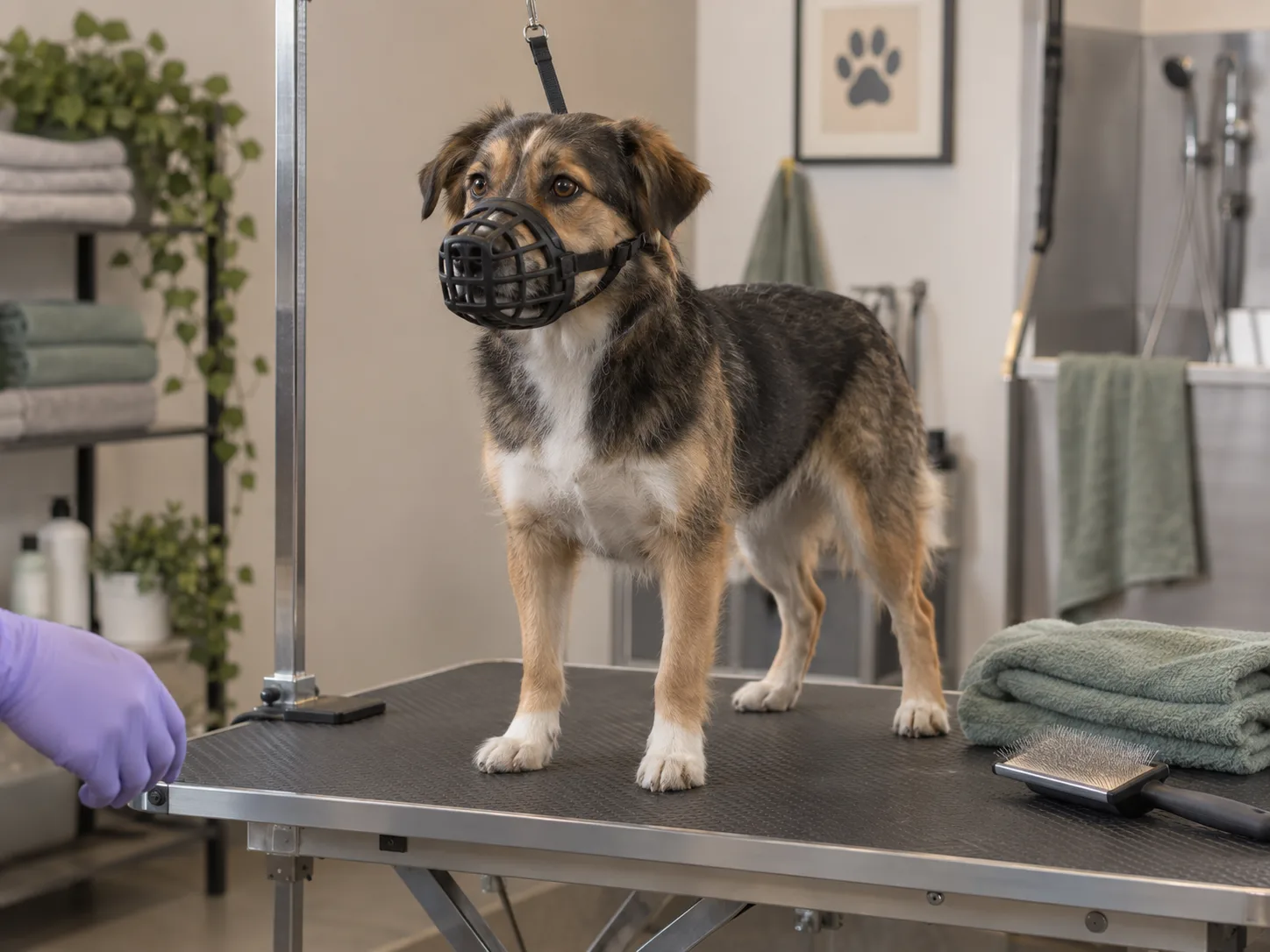
Sooner or later, every groomer meets the dog that means it. It might be a tiny chihuahua who has learned that biting ends nail trims, or a large dog who has never been handled by a stranger. Grooming aggressive dogs is part of the job, but doing it without a plan puts you, your staff, and the dog at risk.
This guide covers how to read the warning signs, handle difficult dogs more safely, price for the extra work, and write a behavior policy that protects your business.
Why Dogs Act Aggressively on the Grooming Table
Most grooming aggression is rooted in fear, pain, or past experience rather than a "bad dog." Common triggers include:
Pain from matting, arthritis, ear infections, or sore feet
Fear of the dryer, clippers, or being lifted
Lack of handling as a puppy
Past bad experiences at another groomer or the vet
Restraint sensitivity, where being held triggers panic
Senior issues like poor eyesight, hearing loss, or cognitive decline
Understanding the cause helps you choose the right approach. A dog snapping because of a painful mat needs a different plan than a dog who has learned that biting makes grooming stop.
Warning Signs to Watch For
Dogs almost always warn before they bite. Learn to spot the early signals:
Lip licking, yawning, or turning the head away
Whale eye, where the whites of the eyes show
A stiff, frozen body
Tucked tail or ears pinned back
Lifted lip, growling, or snapping
Sudden stillness when you touch a certain area
When you see these, slow down. Pushing through the warning is how most grooming bites happen.
How to Handle Difficult Dogs More Safely
Gather Information Before the Appointment
Your intake form should ask directly whether the dog has ever bitten, growled at, or snapped at a person, and which parts of grooming the dog dislikes. Ask about medical conditions and medications too. Owners are not always forthcoming, so ask plainly and put the question in writing.
Keep Detailed Notes
Vague notes like "difficult dog" do not help anyone. Specific notes do, such as "tries to bite when back left foot is lifted, basket muzzle needed for nails, finished with two short breaks." These notes protect you, guide the next groomer, and set expectations for future visits. Software like Furbello lets you attach behavior flags and grooming notes to each pet's profile so every groomer on your team sees them before the dog is on the table.
Set Up the Environment
Schedule difficult dogs at quieter times, often first thing in the morning, when the salon is calm and you are fresh. Keep other dogs out of sight when possible. For mobile groomers, the one on one setting is a natural advantage for anxious dogs.
Use the Right Tools
Basket muzzles allow panting and drinking and are generally better for longer sessions than soft muzzles.
Soft muzzles work for short tasks like nail trims.
Grooming loops and table harnesses keep the dog secure without choking.
E collars or cones help during face and foot work for dogs who whip around.
Bite resistant gloves can help with specific tasks, though they reduce dexterity.
Introduce a muzzle calmly, and never use restraint that restricts breathing. If a dog is panicking to the point of hurting itself, stop.
Work in Short Sessions
Break the groom into small pieces with breaks in between. It is often better to finish a basic sanitary trim, nails, and bath than to force a full breed cut on a dog who is falling apart.
Know When to Stop
You are never obligated to finish a groom that is unsafe. Stopping partway, calling the owner, and charging for work completed is reasonable and professional. Dogs who are truly unsafe may need a groom done under veterinary sedation, and many vet clinics offer this.
Pricing for Extra Handling
Difficult dogs take more time, more focus, and sometimes a second person. Many groomers charge a handling or behavior fee, often somewhere in the $10 to $30 range, depending on the level of difficulty and your market. Publish it on your price list so it never feels like a surprise at checkout. If you are reviewing your full rate sheet, our grooming pricing guide covers surcharges and add ons in more detail.
Writing an Aggressive Dog Policy
A clear written policy sets expectations before there is a problem. Include:
Disclosure requirement. Owners must tell you about any bite history or aggressive behavior before booking.
Right to refuse or stop. You may decline, pause, or end a groom at any time for safety reasons.
Muzzle consent. You may use a muzzle when needed for the safety of the dog and staff.
Handling fees. State your behavior or handling fee clearly.
Partial service charges. Explain that you will charge for work completed if a groom is stopped.
Owner responsibility. Owners who fail to disclose known aggression may be responsible for resulting injuries or costs.
Bite reporting. Note that bites may need to be reported according to local law.
Sedation or vet referral. Explain when you will require a veterinary groom instead.
Have clients sign it at their first visit, and keep a copy on file. It is a good idea to have a local attorney review your policy, and to check with your insurance provider about bite coverage and any documentation it requires.
After a Bite
If you or a team member is bitten, clean the wound thoroughly and get medical care, since dog bites can become infected quickly. Confirm the dog's rabies vaccination status, document exactly what happened, tell the owner, and follow your local reporting requirements. Then decide whether the dog can return and under what conditions. A dog who has seriously injured a groomer may be better served by a veterinary groom going forward.
When to Decline a Dog Permanently
Declining a client is hard, especially when you are building a business. But a single serious injury can keep you off the table for weeks. It is reasonable to decline future appointments when a dog has bitten more than once, cannot be groomed safely even with muzzles and breaks, or needs sedation you cannot provide. Refer the owner to a vet who offers sedated grooming, and keep the conversation kind and factual.
Protect Yourself and Your Business
Handling difficult dogs well is a skill that builds your reputation. Owners of anxious and reactive dogs are often among the most loyal clients a groomer can have, because they struggle to find someone patient and capable. Clear policies, good notes, and fair pricing let you serve them without putting yourself at risk.
Want behavior flags and grooming notes on every pet profile, visible to your whole team? Try Furbello free for 14 days. And if you are still building your business foundations, including insurance, see our guide on what you legally need to groom dogs.
FAQ
Can a groomer refuse to groom an aggressive dog?
Yes. Groomers can refuse or stop service when a dog poses a safety risk. A written policy that states this clearly helps avoid disputes.
Is it okay for groomers to muzzle dogs?
Yes, when it is done properly. A well fitted basket muzzle is a common safety tool and allows the dog to pant and drink. Muzzles should never restrict breathing.
How much do groomers charge for aggressive dogs?
Many groomers add a handling fee, often around $10 to $30, depending on how much extra time and help the dog requires. Rates vary by market.
What should I do if a dog bites me while grooming?
Clean the wound and seek medical care, confirm the dog's rabies vaccination, document the incident, inform the owner, and follow your local reporting rules.